


Legal Issues Surrounding Child Custody & Visitation: 10 Common Questions
- June 29, 2026 | By James LaPolla | Family Law, Q&A | Contact the Author
Child custody and visitation arrangements can be some of the most important and emotionally sensitive decisions families face. Whether you’re going through a separation, divorce or adjusting an existing agreement, understanding how custody works can help you make more informed choices.
Below are answers to some of the most commonly asked questions about child custody and visitation in Ohio in 2026.
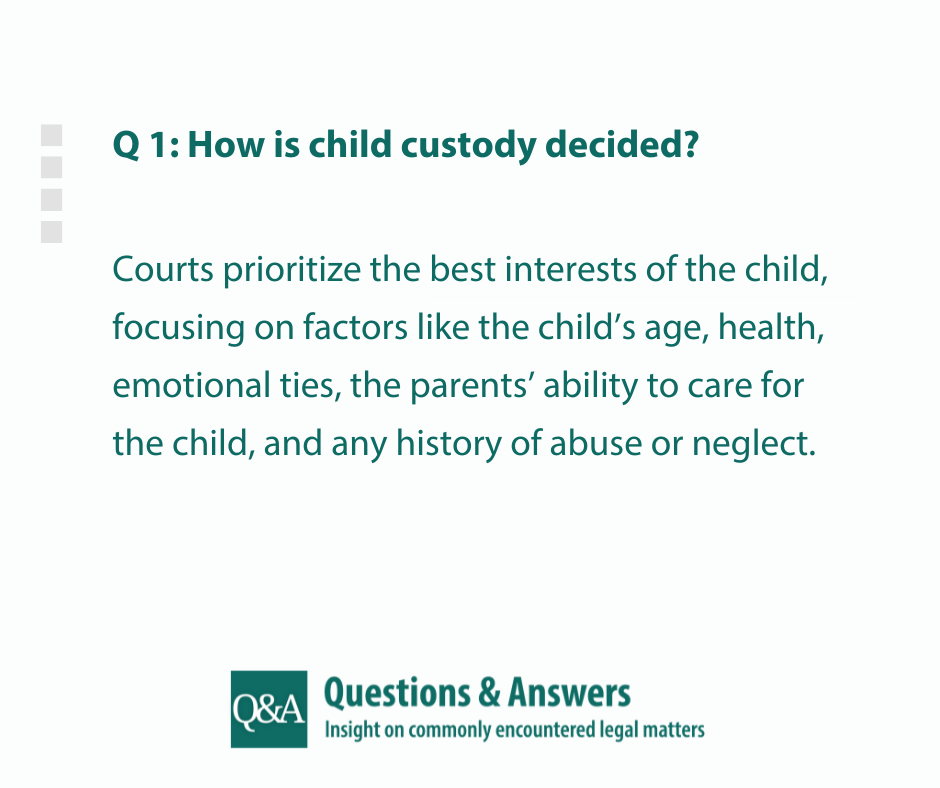
How is child custody decided in 2026?
Courts decide child custody by prioritizing the best interests of the child. This includes factors such as the child’s age, health, emotional relationships with each parent and each parent’s ability to care for the child. Judges must also consider any history of abuse, neglect or other safety concerns when they make final determinations.
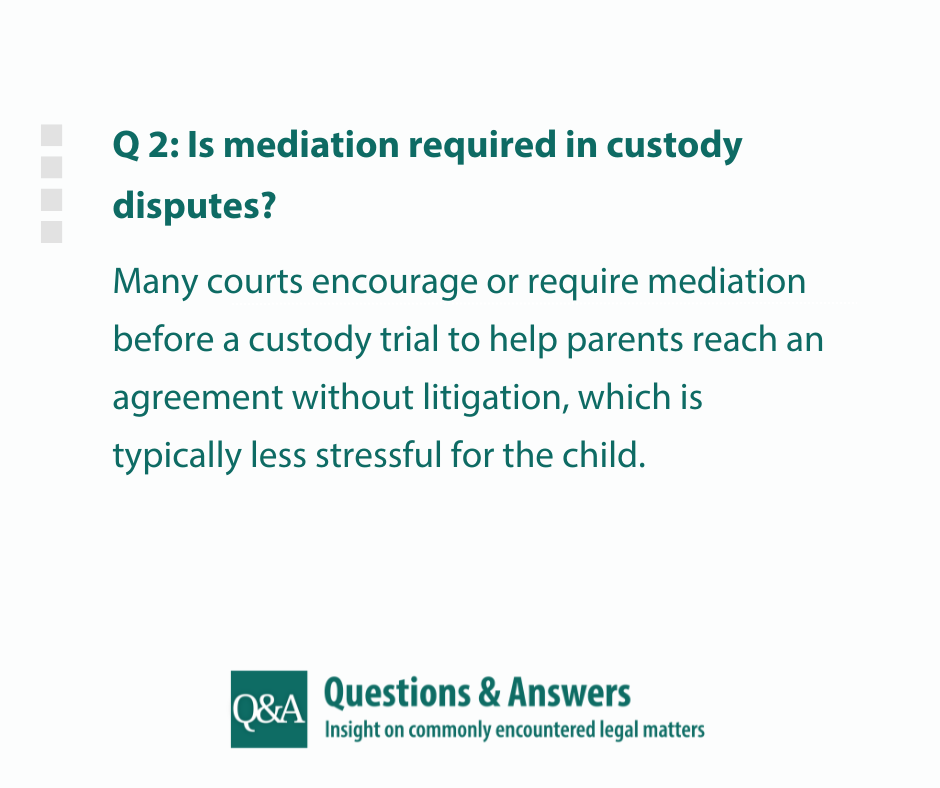
Is mediation required in custody disputes?
In many cases, courts require or strongly encourage parents to attend mediation before going to trial. Mediation gives both parties a chance to work through disagreements with a neutral third party and often leads to less stressful, more cooperative outcomes for the child. It can also save time and reduce legal costs.
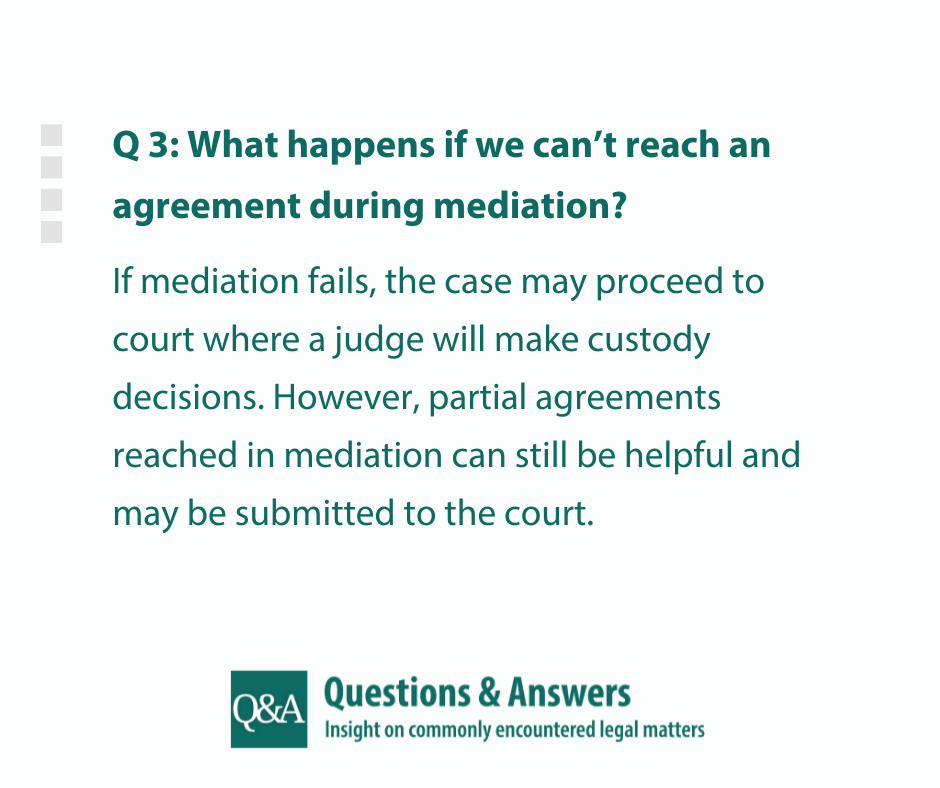
What happens if parents can’t reach an agreement during mediation?
If mediation does not result in a full agreement, the case typically moves forward to court for a judge to decide. However, any partial agreements made during mediation can still be submitted and approved by the court. These agreements can help narrow the issues and make the court process more efficient.
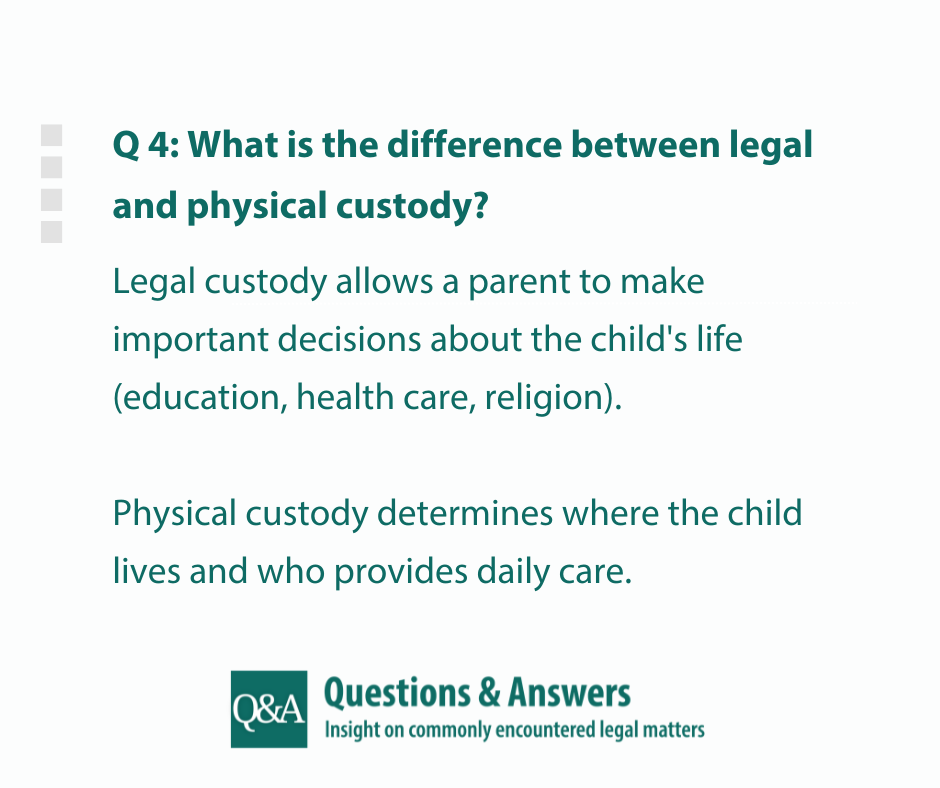
What is the difference between legal and physical custody?
Legal custody refers to a parent’s right to make major decisions about the child’s life, such as education, healthcare and religious upbringing. Physical custody, on the other hand, determines where the child lives. In many cases, parents may share one type of custody while arrangements differ for the other.
How do virtual visitation rights work?
Virtual visitation allows a parent to maintain contact with their child through video calls, messaging or other online communication tools. This is especially common when parents live far apart or travel frequently. Courts may include specific schedules for virtual visits to help maintain consistency and connection.
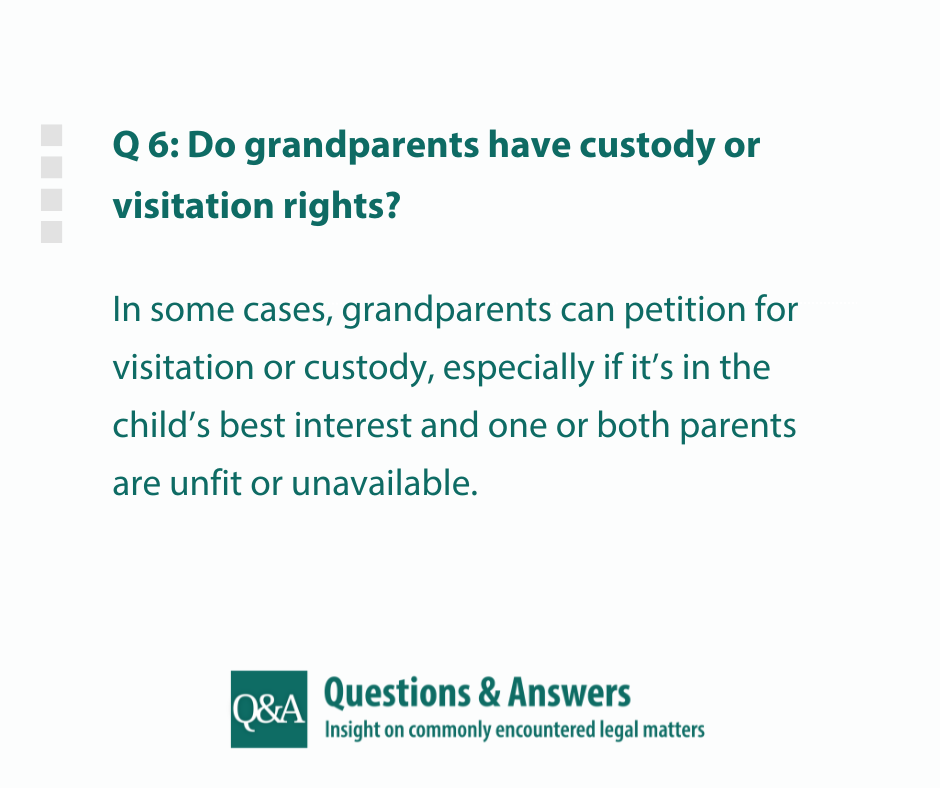
Do grandparents have custody or visitation rights?
In some situations, grandparents may be granted visitation or even custody rights, but this usually depends on the circumstances. Courts generally require that it be in the best interest of the child, often in cases where a parent is unable or unfit to provide care. Grandparents typically must petition the court to request these rights.
(Check out this blog article about grandparent visitation rights in Ohio.)
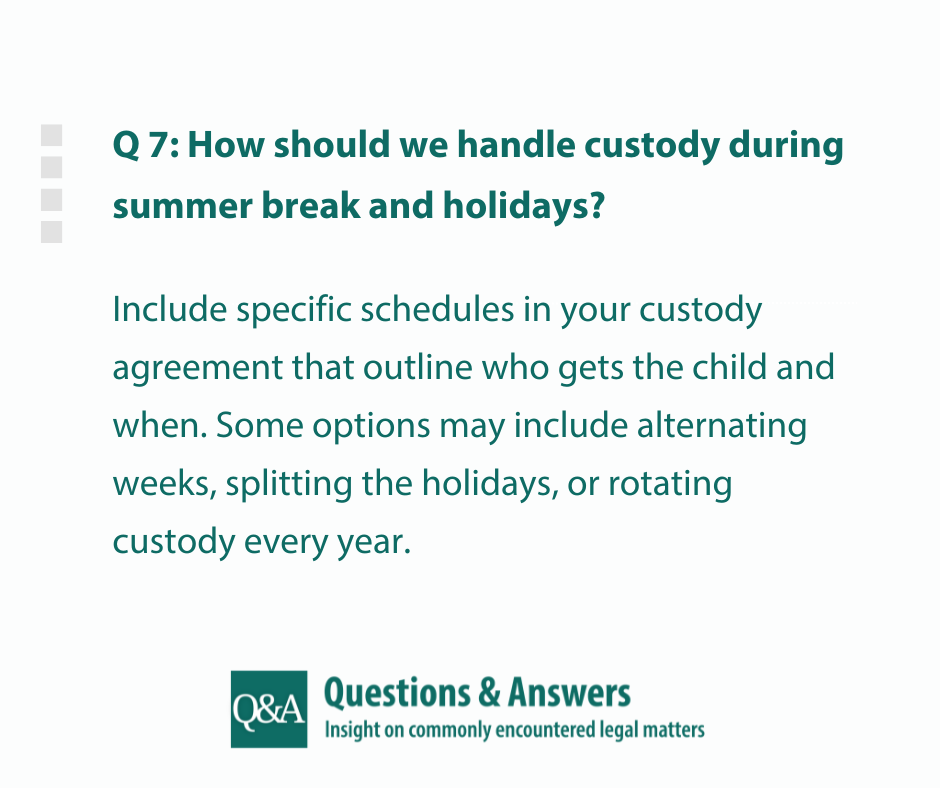
How should parents handle custody during summer break and holidays?
Custody agreements often include detailed schedules for holidays and school breaks to avoid confusion. Parents may alternate holidays each year, split time evenly or rotate schedules depending on what works best for the family. Clear planning in advance helps reduce conflict and ensures consistency for the child.
How can parents keep communication smooth about schedules and plans?
Using written communication methods, such as email or co-parenting apps, can help reduce misunderstandings. These tools create a clear record of conversations and agreements, which can be helpful if disputes arise later. Keeping communication respectful and focused on the child also helps minimize conflict.
Can a parent deny visitation if child support isn’t paid?
No. Visitation rights and child support are legally separate issues. A parent cannot withhold court-ordered visitation because the other parent is behind on payments. If support is not being paid, the proper solution is to address it through the court, not by restricting access to the child.
What happens if a parent violates the visitation schedule?
If a parent repeatedly violates a custody or visitation order, the other parent can file a motion with the court to enforce it. Courts may intervene to ensure compliance and may adjust the arrangement if violations continue. In more serious cases, a judge could impose penalties or modify custody terms.